
Explore Vertical Axis Wind Turbine Types from Leading China Manufacturers
As a buyer in the wind energy sector, I’m sure you appreciate the importance of selecting the right Vertical Axis Wind Turbine Types. Our offerings stand out in the market, especially considering the growing demand for efficient energy solutions in China. I’ve seen firsthand how our turbines can adapt to various wind conditions, making them reliable for diverse applications. Working directly with a leading manufacturer, we ensure that quality and performance come first. Each turbine type has been designed to maximize energy production while minimizing maintenance costs. Plus, our tailored solutions cater to the specific needs of your projects, ensuring that they fit seamlessly into your operations. I believe that investing in our vertical axis turbines can significantly enhance your energy strategies in the competitive renewable sector. Don't miss the opportunity to boost your energy investments with our trusted products!
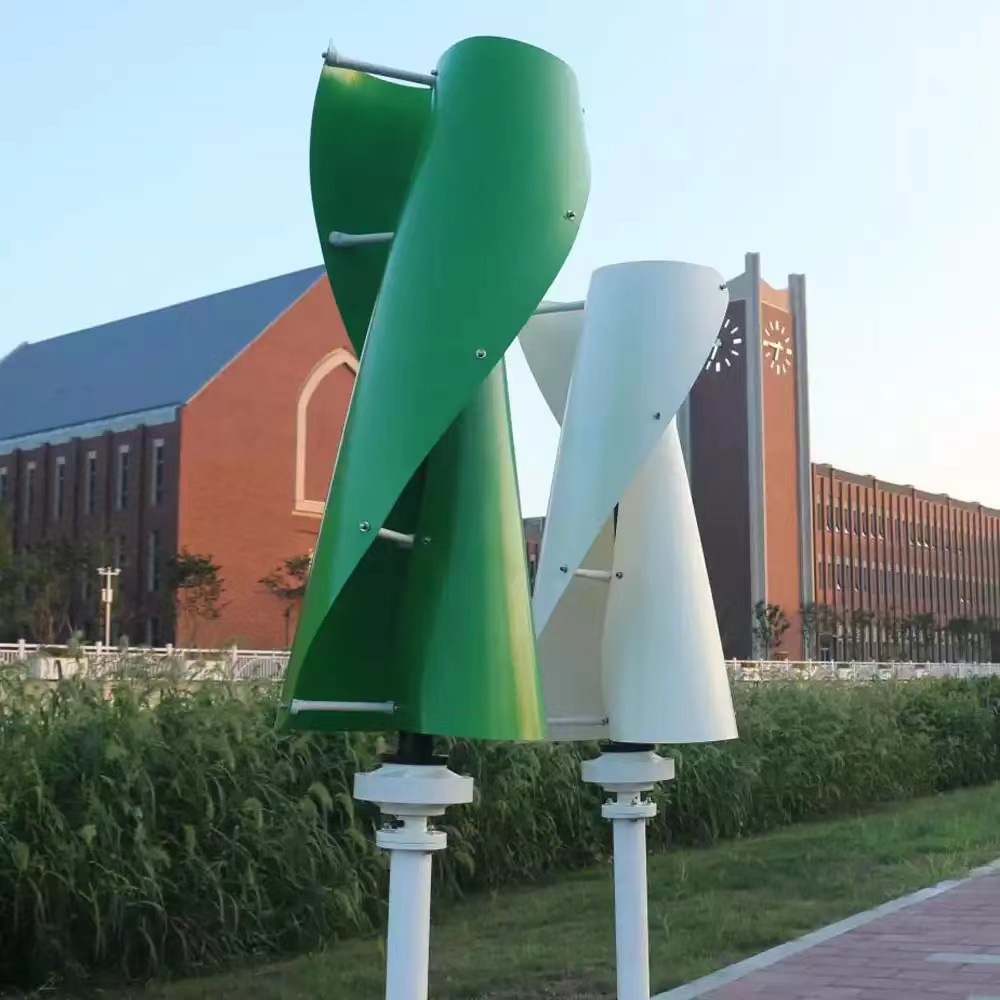
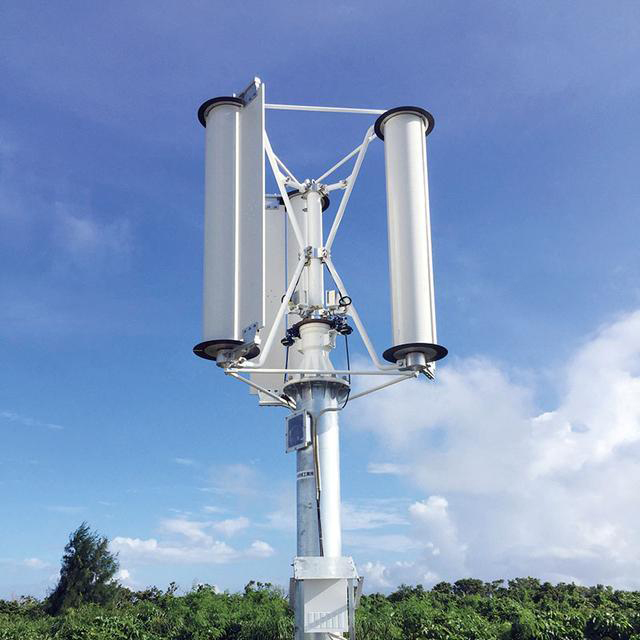
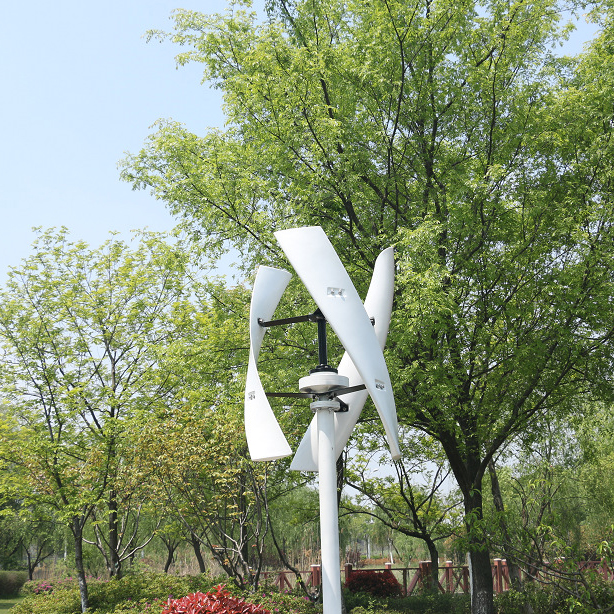
Vertical Axis Wind Turbine Types Dominates Ahead of the Curve
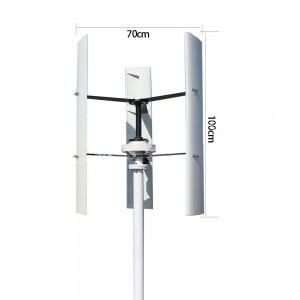
In the ever-evolving landscape of renewable energy, vertical axis wind turbines (VAWTs) are gaining significant traction among global buyers seeking sustainable solutions. Unlike their horizontal axis counterparts, VAWTs offer distinct advantages that cater to diverse applications, from urban settings to remote areas. Their unique design allows for efficient energy capture regardless of wind direction, making them a versatile choice for various environments. Additionally, VAWTs are often quieter, require less maintenance, and are safer for birds, positioning them as an eco-friendly alternative in the renewable energy sector. As businesses and municipalities focus on reducing their carbon footprint, the demand for innovative wind energy solutions is on the rise. VAWTs not only contribute to cleaner energy production but also integrate seamlessly into existing infrastructure, making them ideal for densely populated areas. From small-scale residential units to larger installations in commercial settings, these turbines can adapt to meet specific energy needs, fostering greater energy independence and sustainability. For international buyers, investing in vertical axis wind turbines represents a forward-thinking strategy that aligns with global trends toward renewable energy. As markets become increasingly competitive, adopting VAWT technology can provide a significant edge, enhancing both environmental responsibility and operational efficiency. Embracing this technology today means being at the forefront of the energy transition, positioning your business as a leader in the renewable energy landscape of tomorrow.
Vertical Axis Wind Turbine Types Dominates Ahead of the Curve
| Type | Number of Blades | Rotor Diameter (m) | Rated Power (kW) | Typical Application |
|---|---|---|---|---|
| Darrieus | 2-3 | 5 - 20 | 5 - 50 | Residential, Industrial |
| Savonius | 2 | 2 - 5 | 1 - 5 | Pumping, Low Wind Areas |
| Giromill | 3 | 5 - 15 | 5 - 25 | Rural Electrification |
| Helical | 2-3 | 3 - 10 | 1 - 5 | Urban Settings |
Related Products

Vertical Axis Wind Turbine Types Delivers Unmatched Quality More Than a Supplier - A Partner
Top Selling Products


- Related Blog
- Reviews
